

Learning to read is one of the most significant milestones in a child’s education, and every student’s path to literacy is unique. While some children quickly pick up phonics and word recognition through traditional methods like reading aloud or using flashcards, others may struggle to engage with the process, requiring more dynamic and interactive approaches. This is where kinesthetic learning comes into play. Kinesthetic learning, which involves physical movement and hands-on activities, can be a powerful tool in helping elementary students develop strong reading skills. If you follow me on social media, you know we are BIG kinesthetic learners in our house. By incorporating movement into literacy instruction, parents can create a more engaging and effective learning environment for all students.
What is Kinesthetic Learning?
Kinesthetic learning is a style of learning in which students learn best through physical activity and hands-on experiences. Unlike auditory or visual learners who benefit from hearing or seeing information, kinesthetic learners thrive when they can move, touch, and interact with materials. According to research by Dunn and Dunn (2003), kinesthetic learners perform better when they are allowed to move while learning, as it aligns with their natural tendencies to process information through physical activity. In a traditional classroom, kinesthetic learners may struggle with sitting still or focusing on tasks that involve listening or watching alone. However, when given the opportunity to engage physically with the learning material, these students are often more focused, enthusiastic, and successful in mastering new skills.
Incorporating kinesthetic learning into reading instruction doesn’t just benefit students who prefer movement—it can enhance the learning experience for all types of learners by making reading lessons more interactive and engaging.
Benefits of Kinesthetic Learning in Reading Instruction
1. Increased Engagement and Motivation
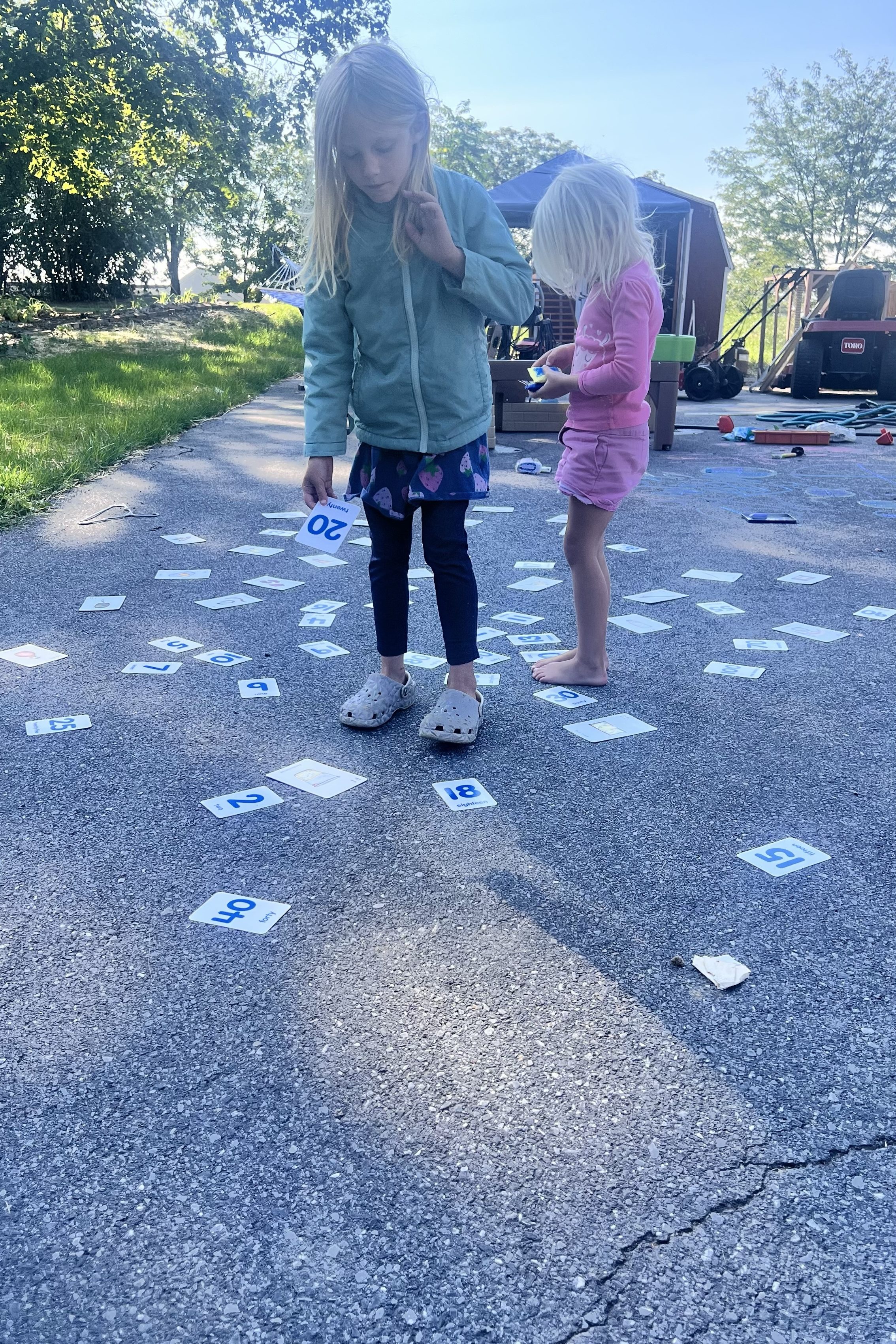
One of the primary benefits of incorporating kinesthetic learning into reading instruction is that it increases student engagement. Children naturally love to move, and giving them opportunities to be active during reading lessons makes learning more enjoyable. For many students, the physical component of kinesthetic learning helps keep their minds engaged in the task at hand. Instead of feeling confined to a desk, students can move, explore, and interact with the material in ways that are stimulating and fun.
A study by Connell and McCarthy (2014) found that students who engage in physical activity during learning sessions tend to show higher levels of attention and motivation, particularly when movement is tied to academic tasks. For example, instead of having students passively read from a book, parents can encourage them to act out the stories, using gestures and body movements to represent different words or characters. This active participation makes reading feel more like play and less like a chore, boosting motivation and interest in learning.
2. Enhancing Memory and Retention
Kinesthetic learning has been shown to significantly enhance memory and retention, especially when it comes to language acquisition. According to a study conducted by Madeline Hunter (1982), kinesthetic activities help students create stronger connections between their physical actions and the concepts they are learning, which aids in long-term retention. When students physically engage with reading activities, they create stronger neural connections, helping them remember key literacy skills like letter recognition, phonics, and word comprehension.
For instance, a parent might use letter tiles, sandpaper letters, or magnetic letters to help students physically manipulate and form words. By touching and moving the letters, students are not just seeing or hearing the sounds—they are also experiencing them through touch, which can help solidify their understanding of letter shapes and sounds. Similarly, having students trace letters with their fingers or use gestures to represent phonetic sounds can help them retain this information more effectively than through traditional instruction alone.
3. Improving Focus and Reducing Anxiety

Some students, particularly those with learning differences like ADHD, struggle with sitting still and focusing for long periods. Incorporating movement into reading instruction can help these students focus better by allowing them to release excess energy in a productive way. A study by Reynolds and Nicolson (2007) on ADHD and literacy interventions found that incorporating movement into academic lessons can improve both attention and task completion among students with attention disorders.
Kinesthetic activities like jumping, clapping, or stretching can be woven into reading lessons to give students regular opportunities to move, which helps reduce restlessness and improve concentration. Additionally, kinesthetic learning can reduce anxiety for students who may feel overwhelmed or intimidated by reading. For some children, the pressure to read aloud or quickly recognize words can be stressful, leading to a fear of making mistakes. By making reading a more playful and interactive experience, kinesthetic learning helps create a supportive, low-stress environment where students feel more comfortable taking risks and trying new things.
4. Catering to Different Learning Styles
Every child learns differently, and one of the strengths of kinesthetic learning is that it accommodates diverse learning styles. While kinesthetic learners benefit the most from movement-based activities, even visual and auditory learners can enhance their skills by engaging multiple senses during reading instruction. According to Gardner’s (1983) theory of multiple intelligences, students possess various ways of processing information, and kinesthetic learning supports bodily-kinesthetic intelligence, as well as enhancing learning for other modalities when integrated with them.
Combining auditory and kinesthetic elements—such as having students say words aloud while physically forming the letters—can help auditory learners reinforce their skills through movement. By using a variety of approaches that include kinesthetic elements, parents can provide differentiated instruction that meets the needs of your students.
Practical Ways to Incorporate Kinesthetic Learning into Reading
There are countless ways to incorporate kinesthetic learning into reading instruction, and many of them require little more than creativity and flexibility. Here are a few practical ideas:
- Letter Hopscotch: Create a hopscotch grid with letters or sight words written in each square. Students can hop from one square to the next, saying the letter or word aloud as they land on it. See a great example HERE!
- Acting Out Stories: After reading a story, have students act out scenes or retell the story through physical movements. This encourages them to recall details, comprehend the narrative, and express themselves creatively.
- BIG Writing: Have students write letters or words with chalk, or on a big white board, exaggerating the movements to engage their whole arms. Encourage them to write BIG! This helps reinforce letter formation and motor skills while making learning more dynamic.
- Word Building with Physical Objects: Use objects like blocks, beads, or clay to have students build words. They can shape letters or arrange objects to form words, turning abstract concepts into tangible, hands-on experiences.
- Movement-Based Phonics Games: Incorporate phonics into active games like jumping jacks for each sound, or playing a version of Simon Says where students follow directions based on phonetic clues (e.g., “Touch something that starts with /b/”). See a great example HERE!
Incorporating kinesthetic learning into reading instruction provides a powerful way to engage elementary students, enhance retention, and support diverse learners. Research demonstrates that physically engaging with reading material helps students, particularly those with ADHD and other learning challenges, focus better, remember more, and feel more confident in their literacy skills. By making reading a more physical, interactive experience, parents can create an environment that fosters curiosity, confidence, and a love for reading. Whether through acting out stories, building words with objects, or incorporating movement into phonics practice, kinesthetic activities can help transform the way students approach literacy, ensuring that every child has the opportunity to succeed.
References:
Connell, J. P., & McCarthy, M. (2014). Movement and Learning: A Connection Between Brain and Body. Journal of Educational Psychology, 106(3), 740-756.
Dunn, R., & Dunn, K. (2003). Learning Styles: Kinesthetic Learners in the Classroom. Allyn & Bacon.
Gardner, H. (1983). Frames of Mind: The Theory of Multiple Intelligences. Basic Books.
Hunter, M. (1982). Mastery Teaching: Increasing Instructional Effectiveness in Elementary Schools. Corwin Press.Reynolds, D., & Nicolson, R. I. (2007). ADHD and Literacy: Managing the Challenges. Dyslexia, 13(3), 195-210.


 The Nurtured Bee